The Banbury Run
Banbury Run 2027 - Save the Date
Open for entries 6th January 2027
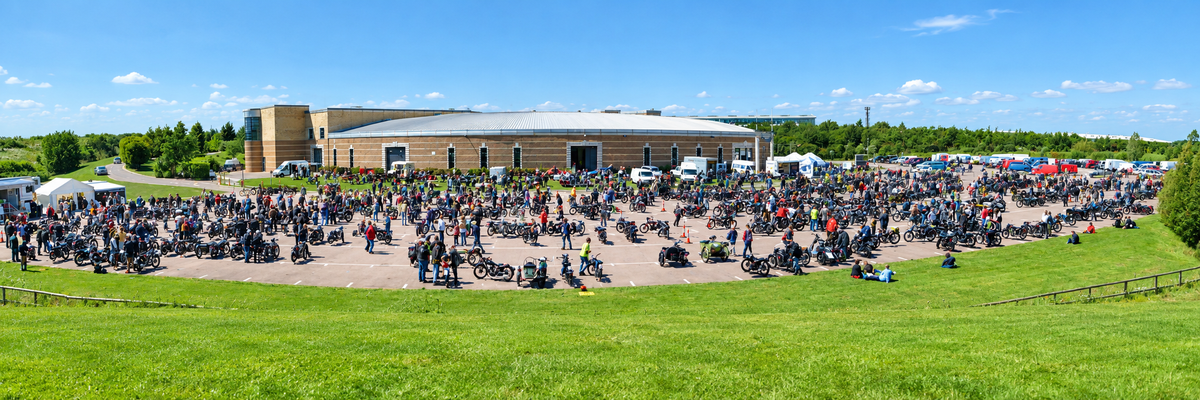
The 2027 Banbury Run will take place on Sunday 12th September at the British Motor Museum, Gaydon .
Further details regarding the event programme and associated activities on Saturday 11th September will be announced in due course.
Please check back for updates and further information.
The organisers and the VMCC Board are now reviewing the management and organisation of the event, to ensure that these arrangements are fit for the future. Plans for the 2027 event will be put in place once this review has concluded. Please be patient whilst this essential task is in progress.
What Is The Banbury Run?
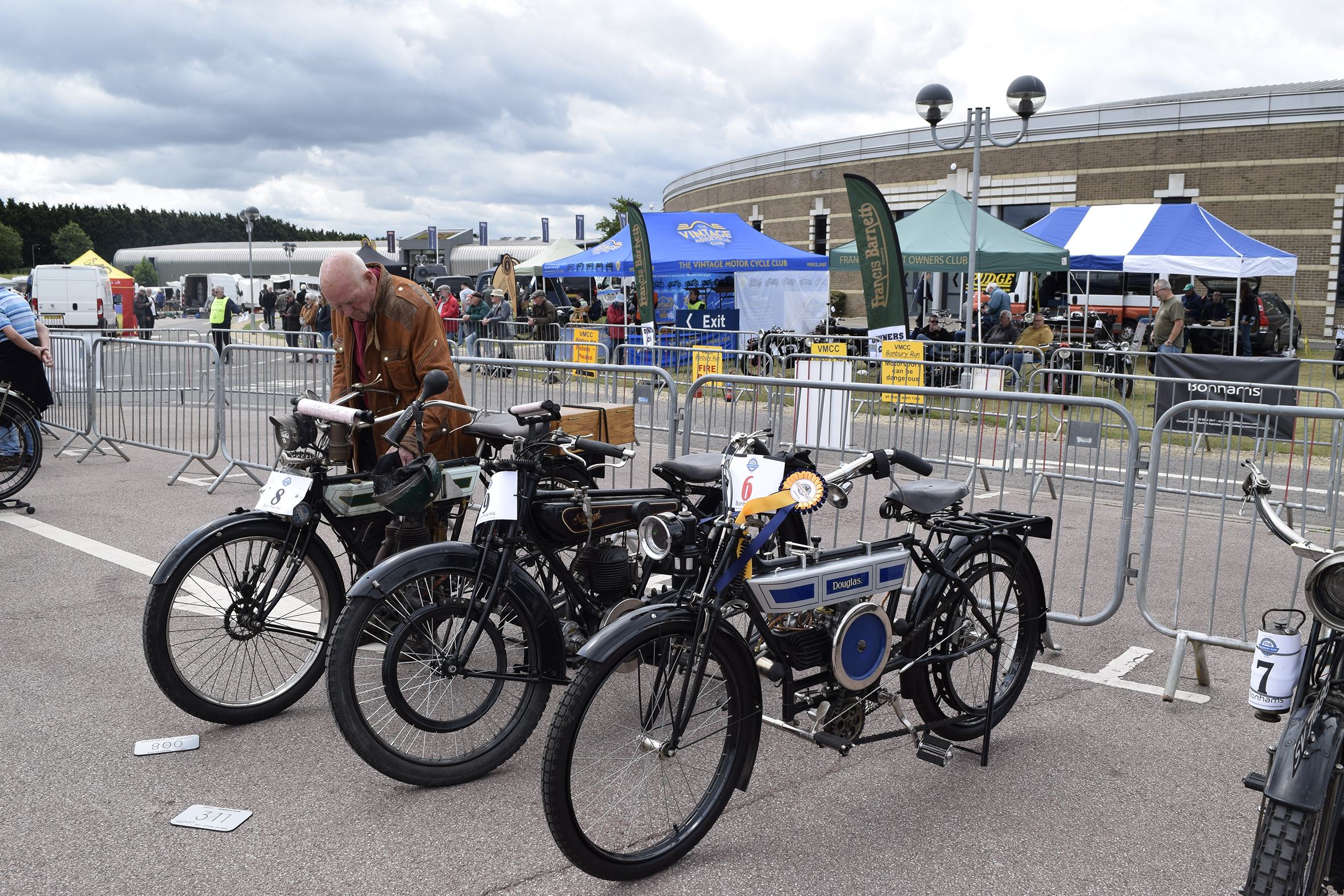
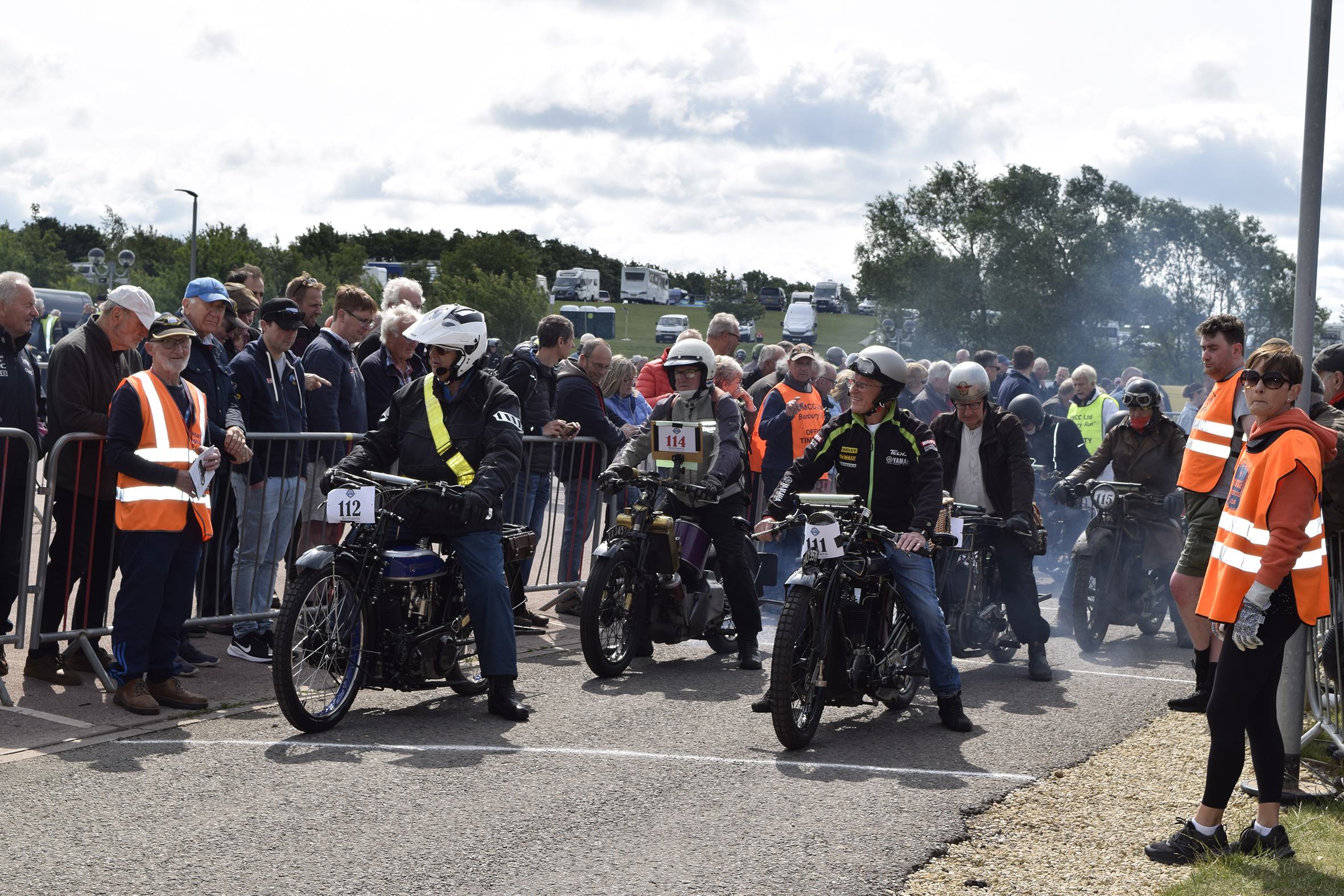
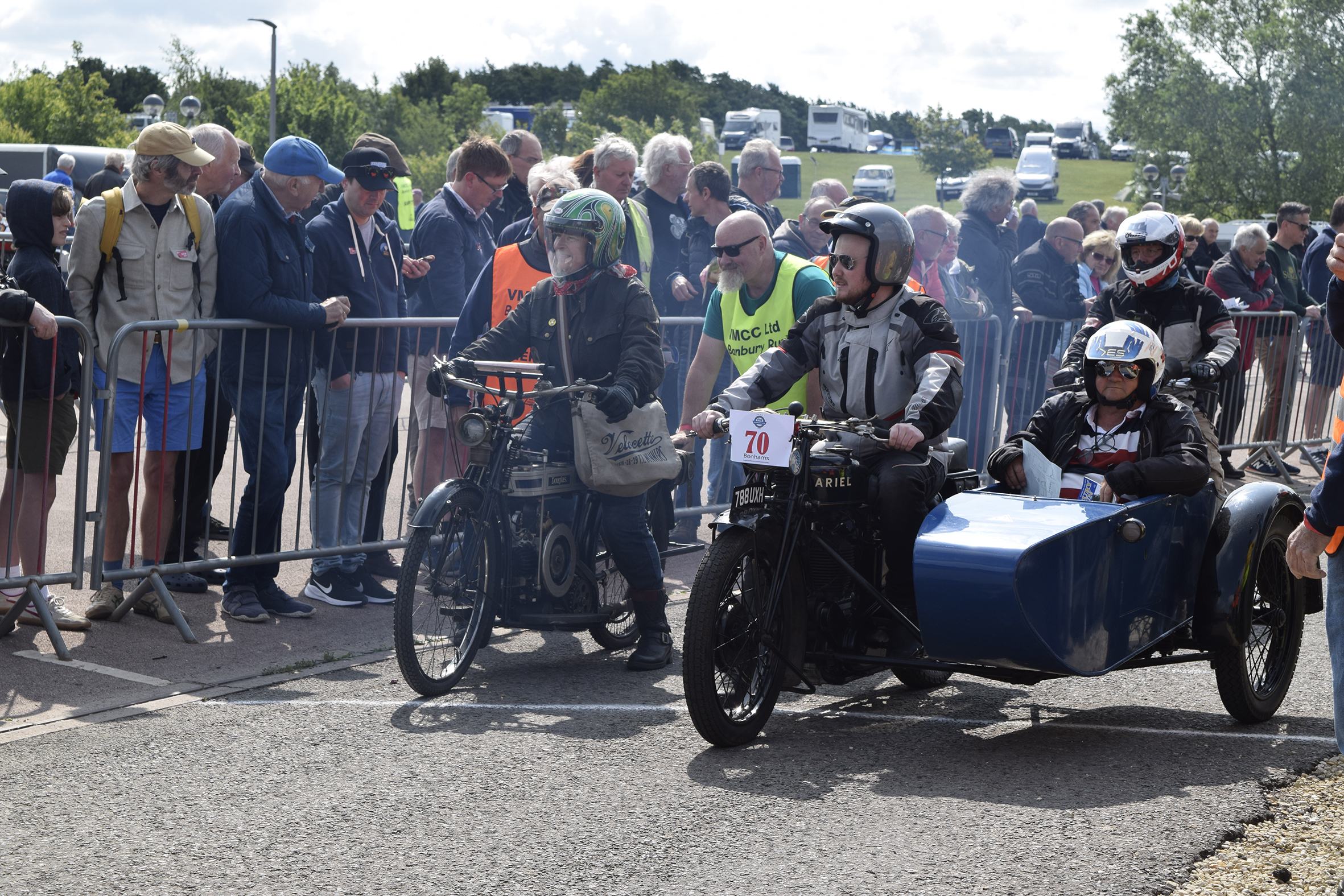
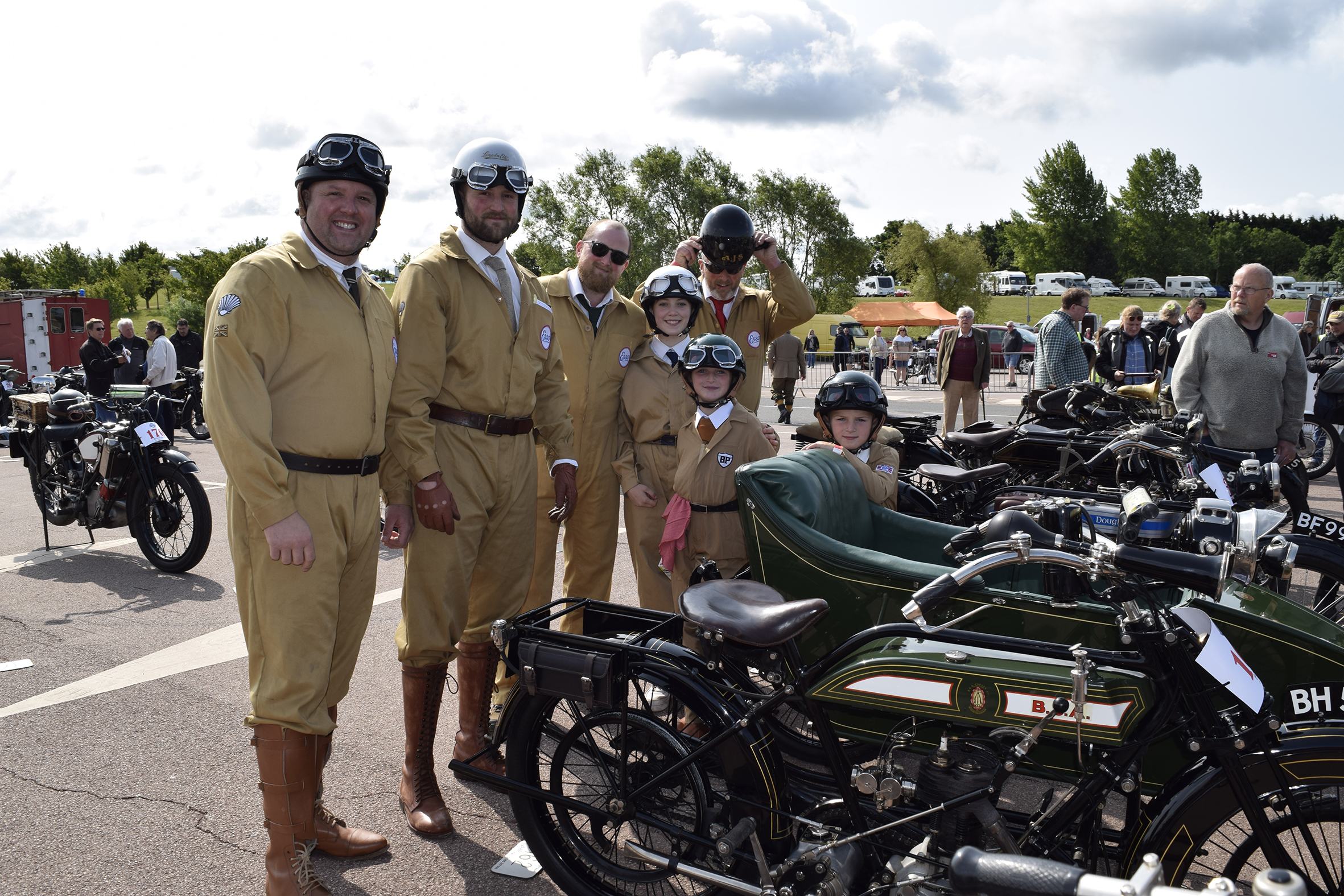
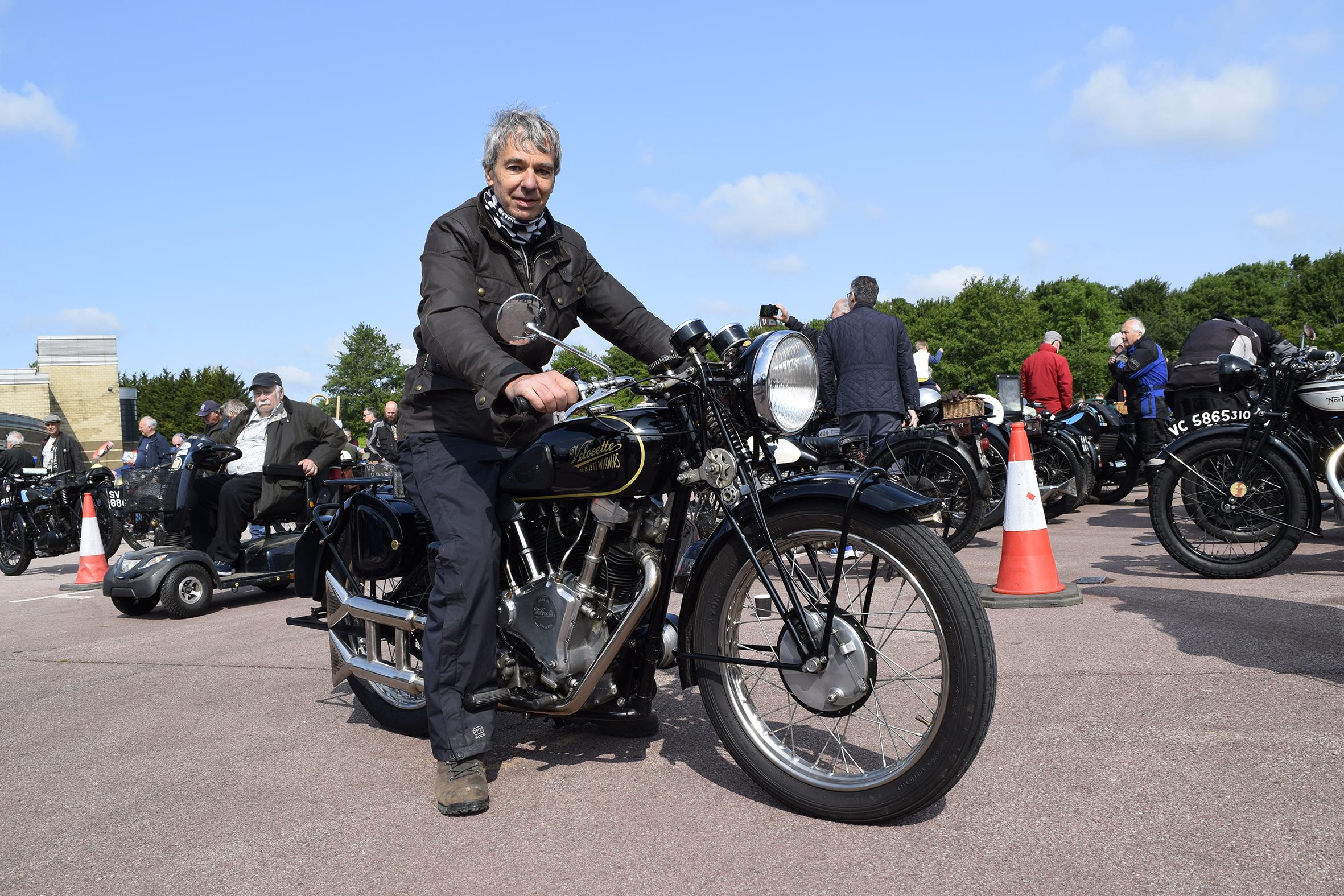
The Banbury Run is the world’s premier riding event for Veteran and Vintage motorcycles – bikes made before 1931.
The first Banbury Run was in 1949. The young Vintage Motor Cycle Club (founded in 1946), set out to create a tough competitive test which used some of the routes followed by factory test riders in the early days of the motor industry. From inception, the event was framed as a public showcase for the Club’s activities and bikes.
Over 75 years later, The Banbury Run remains a serious sporting event – a true competition for machines from the early years of motorcycling. It is overseen by the Auto Cycle Union (ACU), the governing body for motorcycle sport in the UK and run to their standards. As a result, “Banbury” is very different to almost all other VMCC events and is more than just a pleasant social run on old bikes through nice countryside. Riders can choose not to bother with riding to time, but in all other respects the rules of an ACU-authorised competitive event apply.
So how does “Banbury” work as a competition? It is not a race: the winner is not the person who completes the distance fastest. It is a ‘regularity run’, where the aim is to ride as close as possible to a set average speed whilst navigating accurately around a route. Any rider who completes the route and who is not more than five minutes early or five minutes late at any of the intermediate time checkpoints (the clock is reset at each checkpoint so you can’t go faster or slower in the next section to cancel out earlier errors) receives a Gold Award. Silver Awards go to riders no more than five minutes early or 15 minutes late at a checkpoint, and Bronze Awards to those no more than five minutes early or 30 minutes late at a checkpoint.
There is of course a bit more to it than that! Most of the machines involved do not have speedometers (which were not required by law until 1936), and for those that do, the mileage counter must be covered up. The rider must use their experience and judgement to work out how far they have travelled and how fast – this takes some serious practice. The average speed goes by the age of the machine – 15mph for the very oldest, up to 30mph for those made between 1925 and 1930. That may seem easy, but that is far from the case whilst coping with country lanes and modern traffic on temperamental old machines. The run is plotted out on the map, checked for safety on the road, and then written down as a “Tulip Route” - a sequence of diagrams of junctions, signposts, etc. Mistakes are too easy, accuracy requires concentration, and the rider does not know in advance where the route goes.
We hope you like the idea of taking part, preferably riding timed, and that we will see you at Gaydon in 2027.
Videos of the 2023 Banbury Run by Alex Rollings can be found on the Classic Motorcycle Channel on YouTube.